Most businesses rarely pause to think about what happens to their packaging once it leaves the warehouse, crosses distribution networks, and finally lands in the hands of a consumer, because traditionally, responsibility ended at the point of sale. However, in today’s regulatory and environmental landscape, that invisible journey of waste circles back to the producer, and it is precisely there that CPCB EPR credits come into play.
Let’s understand what these credits actually represent, how businesses can procure and manage them, what regulatory obligations they fulfil, and how, beyond compliance, they contribute to building a traceable, accountable, and circular waste recovery ecosystem across the country.
What exactly are CPCB EPR credits?
To understand CPCB EPR credits, you first need to understand Extended Producer Responsibility (EPR), a policy framework that shifts the burden of waste management from municipalities to the companies that introduce packaging into the market. Under the Central Pollution Control Board (CPCB) guidelines, producers, importers, and brand owners are legally required to ensure that a defined percentage of the plastic they sell is collected and recycled.
CPCB EPR credits are the measurable proof that this recovery has happened.
When authorised recyclers collect, process, and recycle plastic waste, they generate verified credits on the CPCB portal. These credits can then be purchased by obligated companies to fulfil their annual compliance targets. Each credit corresponds to a specific quantity of plastic that has been responsibly processed, creating a traceable bridge between waste generation and waste recovery.
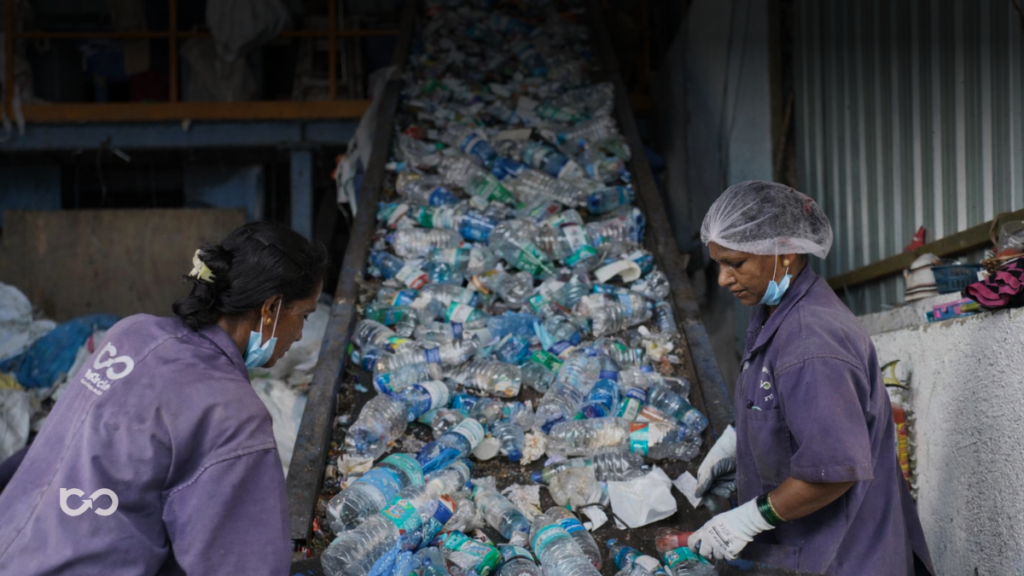
What happens behind the scenes when you purchase credits?
On the surface, the transaction appears straightforward. A recycler processes a certain tonnage of plastic. Credits are generated. A business purchases those credits. Compliance is achieved.
However, beneath that simplicity lies an entire ecosystem.
Imagine your company introduced 1,000 tonnes of plastic packaging into the market last year. CPCB regulations may require you to recycle 70% of that volume.
You have two options:
- Build your own collection and recycling infrastructure
- Purchase verified CPCB EPR credits equivalent to your obligation
For most businesses, the second option is faster, more scalable, and economically viable.
But here’s where perspective shifts. When you purchase CPCB EPR credits, you’re not just meeting a target. You’re:
- Funding waste collection systems
- Strengthening recycling infrastructure
- Supporting Safai Saathis and aggregators
- Driving traceability in India’s recycling ecosystem
In that sense, compliance becomes contribution.
Why are EPR credits suddenly a priority?
1. Enforcement is no longer theoretical
Regulations are tightening. Reporting is digitised. Transactions are traceable.
Non-compliance doesn’t just risk penalties, it risks operational disruption, reputational damage, and long-term brand erosion.
CPCB EPR credits are now central to regulatory continuity.
2. The market is maturing
What began as regulatory confusion is evolving into a structured marketplace.
Credit pricing reflects material type, recovery complexity, and recycling cost. Transactions are recorded on official portals. Documentation is increasingly transparent.
This is no longer informal compliance. It’s infrastructure. Businesses that plan early secure verified CPCB EPR credits strategically. Those who wait often face price volatility and limited availability.
3. Consumers are watching
Today’s customer is not passive.
They check labels, read sustainability reports, question sourcing practices, and, most importantly, expect accountability.
Environmental responsibility is no longer limited to CSR. Today, it’s a purchasing decision.
A strong CPCB EPR credits strategy signals something powerful: We don’t walk away from the waste we create.
Let’s talk about impact
It is easy to reduce CPCB EPR credits to a regulatory obligation, but doing so overlooks their broader economic and social implications.
When structured correctly, this system channels funds into a system that:
- Diverts plastic from landfills
- Reduces ocean leakage
- Formalises the informal waste sector
- Creates dignified livelihoods
- Improves working conditions
- Builds traceable recovery systems
The structure may be regulatory, but the outcome is systemic.
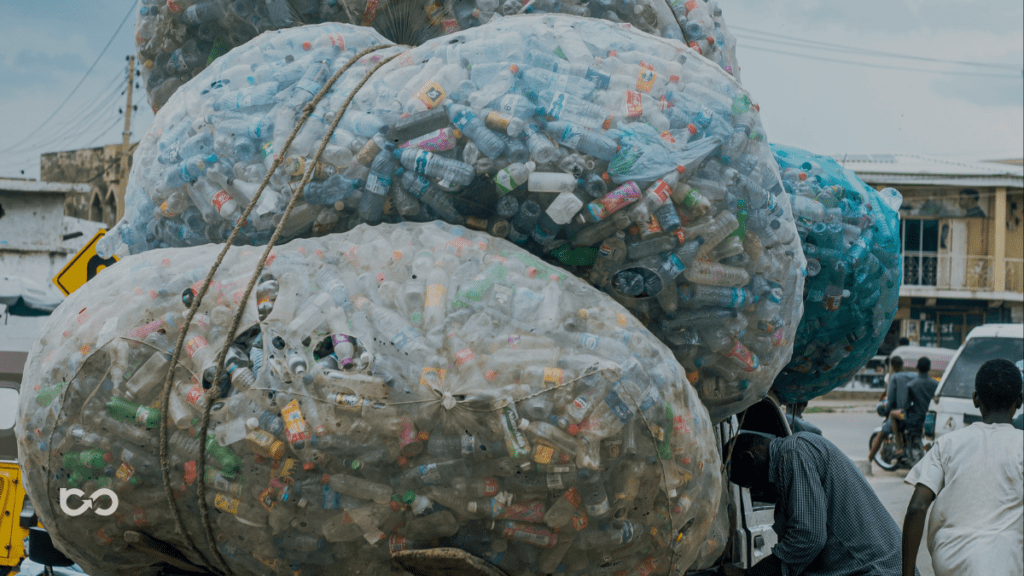
Are all credits the same? not quite.
As demand grows, so does the importance of due diligence. Traceability, documentation accuracy, portal verification, and ethical sourcing determine whether credits genuinely represent environmental recovery or merely transactional paperwork.
This is where strategic partnerships matter. Businesses that work with experienced Producer Responsibility Organisations (PROs) or authorised waste management companies gain access not only to verified CPCB EPR credits but also to clarity in reporting, audit readiness, and long-term planning support.
In a compliance landscape that is tightening year after year, reactive purchasing is risky. Proactive planning, on the other hand, transforms obligation into advantage.
What should you be doing right now?
If you are a:
- Brand Owner
- Producer
- Importer
- Plastic Packaging Manufacturer
Here’s your starting point:
1. Calculate your plastic footprint
Understand exactly how much plastic you introduce into the market annually.
2. Determine your regulatory targets
Align with CPCB-mandated recycling percentages for your category.
3. Source verified cpcb epr credits
Work with authorised recyclers or Producer Responsibility Organisations (PROs) that ensure transparency and portal-based verification.
4. Plan ahead
Credit markets fluctuate. Early planning ensures better pricing and uninterrupted compliance.
5. Think beyond minimum compliance
Explore recycled content integration. Improve packaging design. Reduce virgin plastic reliance.
A responsibility that circles back
If you are looking for clarity in planning, confidence in sourcing, and credibility in reporting, the right strategy makes all the difference. Building a proactive roadmap allows you to stay ahead of compliance cycles, avoid last-minute price volatility, and demonstrate a measurable commitment to circularity rather than reactive obligation.
Connect with our experts to source verified credits across all categories at competitive rates, backed by full traceability and documentation. Whether you are a producer, importer, or brand owner, we help you secure compliant credits with precision, transparency, and long-term strategic foresight.
Talk to our experts to source verified CPCB EPR credits!