A Comprehensive Guide to the Revolutionary Changes in India’s New Solid Waste Management Rules Coming April 1, 2026
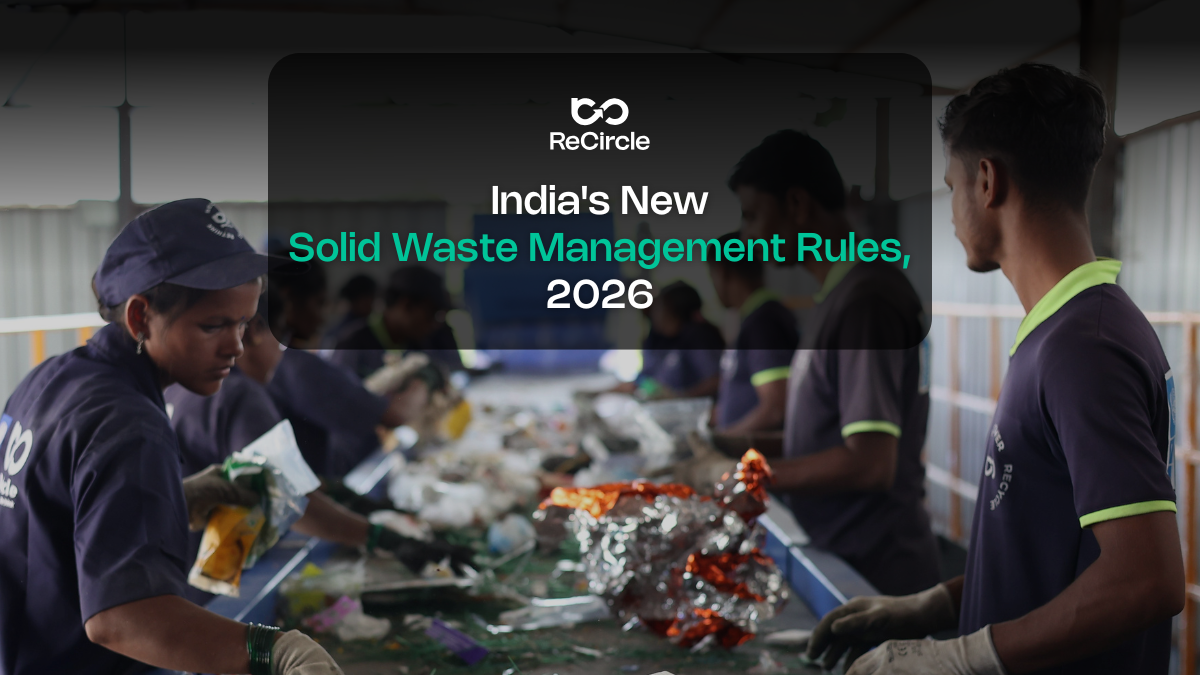
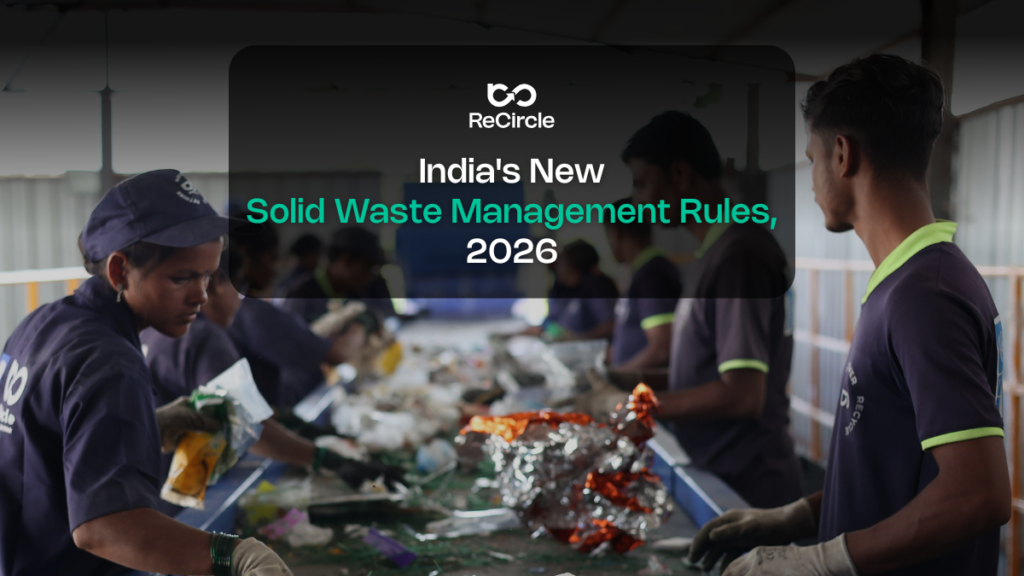
The Government of India has taken a significant step towards achieving a cleaner and greener future by notifying the Solid Waste Management (SWM) Rules, 2026. Published by the Ministry of Environment, Forest and Climate Change on January 28, 2026, these comprehensive Solid Waste Management rules will supersede the existing Solid Waste Management Rules of 2016 and come into full effect from April 1, 2026.
These new regulations represent a paradigm shift in how India approaches waste management, integrating the principles of Circular Economy and Extended Producer Responsibility with a laser focus on efficient waste segregation and accountability.
Key Highlights of the New Rules
1. Mandatory Four-Stream Segregation at Source
One of the most transformative aspects of the Solid Waste Management Rules, 2026 is the mandatory four-stream segregation system. All waste generators must now segregate their waste into four distinct categories:
- Wet Waste: Kitchen waste, vegetable peels, fruit scraps, meat, flowers, and similar organic materials. This waste must be composted or processed through bio-methanation at the nearest facility.
- Dry Waste: Plastic, paper, metal, glass, wood, rubber, and similar materials. These will be transported to Material Recovery Facilities (MRFs) for sorting and recycling.
- Sanitary Waste: Used diapers, sanitary towels, tampons, condoms, and similar items. These must be securely wrapped and stored separately.
- Special Care Waste: Paint cans, bulbs, mercury thermometers, expired medicines, and other hazardous household items. These must be collected by authorized agencies or deposited at designated collection centers.
This systematic approach ensures that waste is properly sorted from the point of generation, making subsequent processing and recycling more efficient and environmentally sound.
2. Clear Responsibilities for Bulk Waste Generators
The new Solid Waste Management rules provide a clear definition of Bulk Waste Generators and outline their specific responsibilities. A Bulk Waste Generator is any entity meeting at least one of these criteria:
- Floor area of 20,000 square meters or more
- Water consumption of 40,000 liters per day or more
- Solid waste generation of 100 kg per day or more
This category includes government departments, local bodies, public sector undertakings, educational institutions, commercial establishments, residential societies, hotels, hospitals, markets, stadiums, and various other institutional and commercial entities.
Extended Bulk Waste Generator Responsibility (EBWGR)
A groundbreaking feature is the introduction of Extended Bulk Waste Generator Responsibility (EBWGR). Under this framework, bulk waste generators are held accountable for the waste they produce. They must:
- Process wet waste on-site wherever feasible
- Obtain an EBWGR certificate if on-site processing is not possible
- Ensure environmentally sound collection, transportation, and processing of all waste generated
Since bulk waste generators account for nearly 30% of total solid waste generation, this provision is expected to significantly reduce the burden on urban local bodies and promote decentralized waste management.
3. Environmental Compensation Based on ‘Polluter Pays’ Principle
The new Solid Waste Management rules introduce a robust enforcement mechanism through environmental compensation based on the ‘Polluter Pays’ principle. This applies to violations including:
- Operating waste facilities without proper registration
- False reporting or submission of forged documents
- Improper solid waste management practices
The Central Pollution Control Board (CPCB) will prepare relevant guidelines, while State Pollution Control Boards and Pollution Control Committees will be responsible for levying the environmental compensation.
4. Centralized Online Portal for Complete Tracking
In a move towards transparency and efficiency, the Solid Waste Management rules mandate the development of a Centralized Online Portal by the CPCB. This digital platform will track all stages:
- Waste generation, collection, and transportation
- Processing and disposal activities
- Biomining and bioremediation of legacy waste dump sites
- Registration and authorization of waste processing facilities
- Submission of reports by facilities
- Audit reports from waste processing facilities
This replaces the cumbersome multi-step physical reporting system, making the entire process more streamlined and accessible.
5. Mandatory Use of Refuse Derived Fuel (RDF) by Industries
The rules define Refuse Derived Fuel (RDF) as fuel produced by shredding and dehydrating municipal solid waste with high calorific value, primarily consisting of non-recyclable plastic, paper, and textiles.
Industrial units, particularly cement plants and waste-to-energy plants that currently use solid fuel, are mandated to progressively replace it with RDF:
- Current requirement: 5% fuel substitution
- Target after six years: 15% fuel substitution
This provision encourages resource recovery from waste and reduces dependence on conventional fuels.
6. Stricter Restrictions on Landfilling
The new Solid Waste Management rules significantly strengthen restrictions on landfilling. Landfills are now strictly limited to:
- Non-recyclable waste
- Non-energy recoverable waste
- Inert material
To discourage improper waste disposal, higher landfill fees have been prescribed for local bodies sending unsegregated waste to sanitary landfills. Importantly, the landfill fee for unsegregated waste will exceed the cost of proper segregation, transportation, and processing of segregated waste.
The rules also mandate annual audits of landfills by State Pollution Control Boards, with performance oversight by District Collectors.
7. Remediation of Legacy Waste Dumpsites
Addressing the challenge of existing waste dump sites, the Solid Waste Management rules mandate:
- Comprehensive mapping and assessment of all legacy waste dumpsites
- Time-bound biomining and bioremediation programs
- Quarterly progress reporting through the online portal
This ensures that the accumulated waste from previous years is scientifically processed and the land is reclaimed for productive use.
8. Faster Land Allocation for Waste Processing
To address the perennial challenge of securing land for waste processing facilities, the rules introduce graded criteria for development around such facilities. A buffer zone must be maintained within the total area allotted for facilities with installed capacity exceeding 5 tonnes per day.
The CPCB will develop guidelines specifying the buffer zone size and permissible activities based on the facility’s capacity and pollution load. This is expected to expedite land allocation by States and Union Territories.
9. Special Provisions for Hilly Areas and Islands
Recognizing the unique challenges of Solid Waste Management in hilly areas and islands, the rules include special provisions:
- Levy of user fees on tourists
- Regulation of tourist inflow based on available waste management capacity
- Establishment of designated collection points for non-biodegradable waste
- Encouragement for local populations to hand over waste to local bodies
- Mandatory decentralized wet waste processing by hotels and restaurants
These provisions ensure that ecologically sensitive areas maintain their pristine environment while managing tourism-generated waste effectively.
10. Enhanced Role of Material Recovery Facilities (MRFs)
Material Recovery Facilities have been formally recognized as facilities for sorting solid waste. Under the revised rules, local bodies are responsible for waste collection, segregation, and transportation in coordination with MRFs.
MRFs may also serve as deposition points for e-waste, special care waste, sanitary waste, and other waste streams for further processing. Additionally, local bodies have been encouraged to generate carbon credits, promoting sustainable waste management practices.
Implementation Framework
To ensure effective implementation, the Solid Waste Management rules provide for the establishment of Central and State-level committees. At the State or Union Territory level, a committee chaired by the Chief Secretary or Head of Administration will recommend measures to the CPCB for successful implementation.
The department responsible for sanitation and solid waste management in rural areas has been specifically mandated to give special attention to peri-urban rural areas, ensuring comprehensive coverage across urban and rural landscapes.
What This Means for Citizens
As a responsible citizen, here’s what you need to know and do:
- Start Segregating: Prepare to segregate your household waste into four streams from April 1, 2026. Invest in separate bins for wet waste, dry waste, sanitary waste, and special care waste.
- Proper Disposal: Ensure you dispose of waste only through authorized waste collectors and at designated times.
- Be Informed: Stay updated with your local body’s guidelines on waste segregation and collection schedules.
- Support Local Efforts: If you’re part of a residential society or manage a commercial establishment, work with your local body to ensure compliance.
- Think Before You Throw: Adopt a conscious approach to waste generation. Reduce, reuse, and then recycle.
Conclusion: A Step Towards Swachh Bharat
The Solid Waste Management Rules, 2026 represent a comprehensive and forward-thinking approach to one of India’s most pressing environmental challenges. By clearly defining responsibilities, mandating segregation at source, introducing digital tracking, and holding stakeholders accountable through the polluter pays principle, these rules provide a robust framework for sustainable waste management.
The success of these rules will depend on collective action—from individual citizens to large institutions, from local bodies to state governments. As we approach the April 1, 2026 implementation date, it’s crucial for all stakeholders to prepare, educate themselves, and embrace these changes.
This is more than just a regulatory change; it’s an opportunity to transform India’s waste management landscape, create a circular economy, and build a cleaner, healthier environment for future generations.
Official References
For complete details and official documentation, please refer to:
- Official Gazette Notification: https://static.pib.gov.in/WriteReadData/specificdocs/documents/2026/jan/doc2026129773501.pdf
- Press Information Bureau Release: https://www.pib.gov.in/PressReleasePage.aspx?PRID=2219676
Let’s work together to make India cleaner, greener, and more sustainable!
—
Published: January 30, 2026
Source: Ministry of Environment, Forest and Climate Change, Government of India